Neon Skies
Neon Skies is a arcade drone game built to collect play behaviour data for the purpsoe of imrpoving real world drone AI.
Responsibilities
Throughout development I took the roles of producer, game and sound designer for Neon Skies. I managed the team through the use of sprint cycles, deadlines and google calendar.
I acted as the primary presenter pitching our game and its development weekly to a panel of lecturers and tutors as well as the final game presentation to a panel of industry professionals.
Designed various mechanics found throughout the game and collaborated in the writing of the game design document used throughout development.
Lead the play testing and quality assurance testing creating detailed summaries of the results weekly after testing began.
Project Goals
The project required us to design a game that allows players to manage large volumes of unmanned aircraft/drones operating over our cities to shift people and products.
The key task is to ensure no two drones collide such that both strategic (i.e. through
design of routes, take off time etc.) and tactical (reactive, on line collision avoidance via
movement) mitigation is required by the player.
A prototype game that allows players to manage traffic over 3 Australian cities.
The game must be enjoyable to play, suitable for ages 8+.
Data capture (txt/csv files) of at least 5000 successful (no collisions) and 5000
unsuccessful game playing sessions/epochs. The files contain items such as
the geometry of the manoeuvres taken, timing of these manoeuvres etc.

Creative Process
After a meeting with Aaron and some general discussion with the team we began the ideation process. We settled on 2 core ideas which we developed further before pitching them back to Aaron, these ideas were Drone Control and Sky High Hustle.
Sky High Hustle
Player’s will have to face challenges of spatial awareness and quick reaction timing as they must dodge out of the way of other vehicles and obstacles within the air while remaining aware of the environment around them. The game will be face paced meaning the player will need to concentrate on the environment around them and might find a sense of wonder from the setting. The game will use bright neon colours that contrast to make objects easy to differentiate from one another and to give the appearance of a bright busy city.
Drone Control
Drone Control takes drone managment and makes it high paces and stressful, players will be put into a real world management system akin modern day train systems. The in-game drones will move automatically to their destination and the player has to make sure the drones won't collide with each other or with the obstacles in real time. To make the game more fun and competitive, there should be a timed score system. At the end of the level the player is given a time and a rating, similar to the puzzle games on mobile.
After fleshing out the initial designs for each of the 2 core ideas we presented them to Aaron for feedback and a final choice in the overall direction the game should head, he settled on the idea of Sky High Hustle a more arcade style score attack drone game.


Design Document
After we settles on the Sky High Hustle idea we began designing and writing the game design document to outline overall goals of the game throughout development.
See the full document here
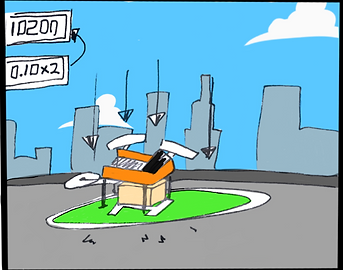
Gameplay Sketches
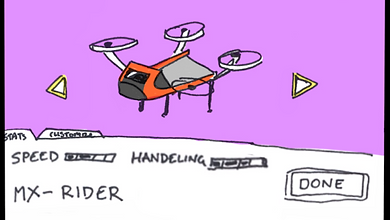
Drone selection screen

Take off and flight


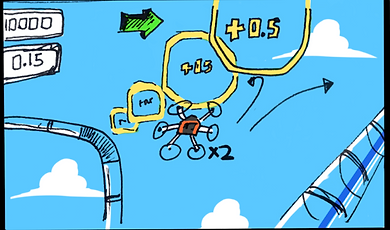
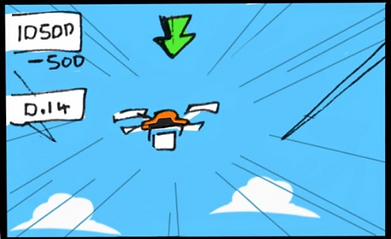
Take off and flight


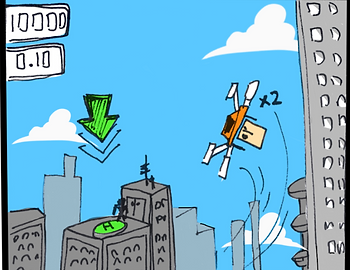
Deliver packages
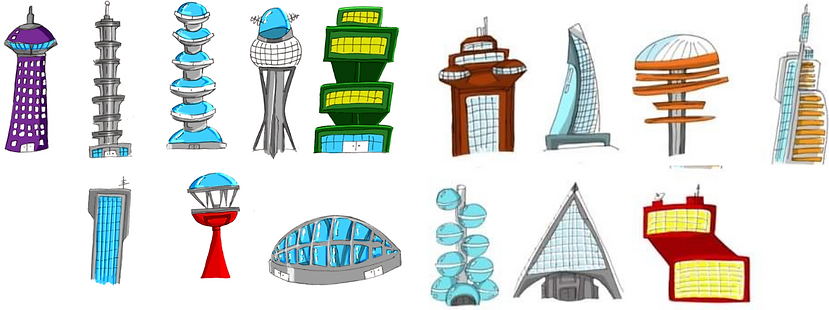
World Building
Concept art

Drone designs


World design

Gameplay Loop
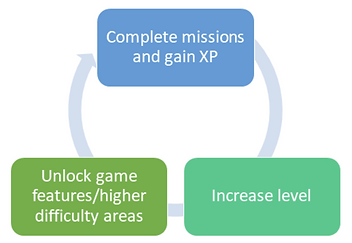
The core gameplay loop for Neon Skies is based around completing missions to gain money or experience which is used to better your drone so the player can complete the mission more efficiently.
This type of loop was designed with the focus on incentivising the player to replay various mission types in different ways with different upgrades which could be used to collect different data with a range of variables such as speed or weight.
Development Cycles and Sprints
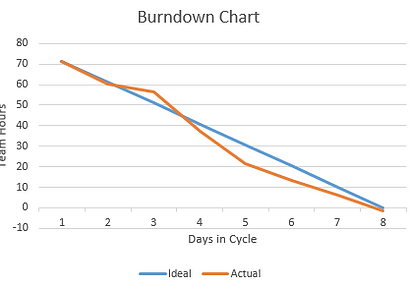
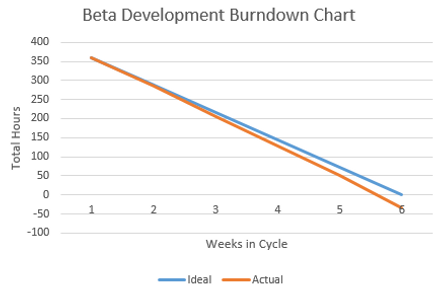
Throughout development our team was required to present a update and pitch of the game weekly to a panel. This meant that our development cycles were built around these weekly checkpoints. Each person in the team of six was assigned 12 hours of work based on tasks and estimated time to complete said task.

I assigned tasks to each person of the team by filling in a sprint table as well as creating a team google calendar allowing each person to see each other tasks and manage who was working on the main file at which time.
Lastly I set up and managed a product backlog to outline the goals of the project throughout development including things like models, controls, mission design and many other development goals.
Sprint example

Google calendar examples


Burn down charts
Play testing
As development began coming to an end we shifted our priorities away from new mechanics and features and focused on play testing, feedback and polish. With this shift I took up the role of lead play tester and conducted at least 5 play tests per week, this feedback helps inform the programmers of bugs and myself and the other designer of changes we could make to improve clarity and direction.
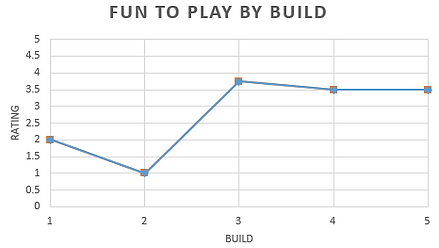
Each play test had 2 play sessions the first with no information given to the player to allow us to see if the game on its own did a good job showing the next goals. The second session the player could ask questions and talk with the tester, this way we got direct feedback and could see which questions the player wanted answered and if there was a way we could answer them in game.
At the end of each play test we asked the player to take a survey rating which parts of the game they enjoyed and thought were good and which parts they thought were weak, below are the results of the surveys by build.


Quality assurance
Towards the end of the play testing cycle we again shifted our focus away from fixing problems from direct feedback and moving to specifically polish and bug fixing.
I again lead the testing for QA as I did with the play testing and designed, outlined plans and conducted majority of the testing.
The QA testing spread sheet I created can be viewed here.




Showcase
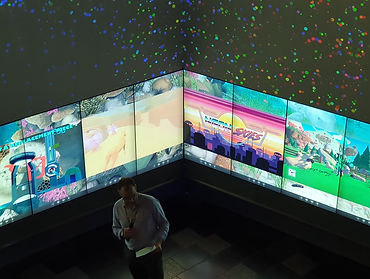
The showcase was a large event where over 200 industry professionals would be in attendance so it was vital to us that our game be presentable and attract the eyes of the industry people and the general public as well.
To attract the most attention possible we created a short playlist of the games core mechanics to play as a video on a larger screen overlooking our station. We also created multiple banners to display around our games station and lastly I planned a competition and prize for the players of our game where the player with the fastest time won a small toy drone, this also helped us collect a range of data for Aaron for the upcoming handover.
We presented Neon Skies at the QUT IT and Games Showcase during which time we had many different people play our game and ask questions related to its development.




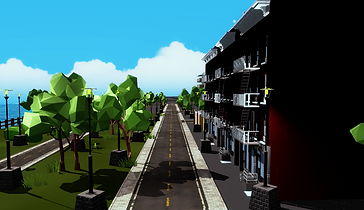
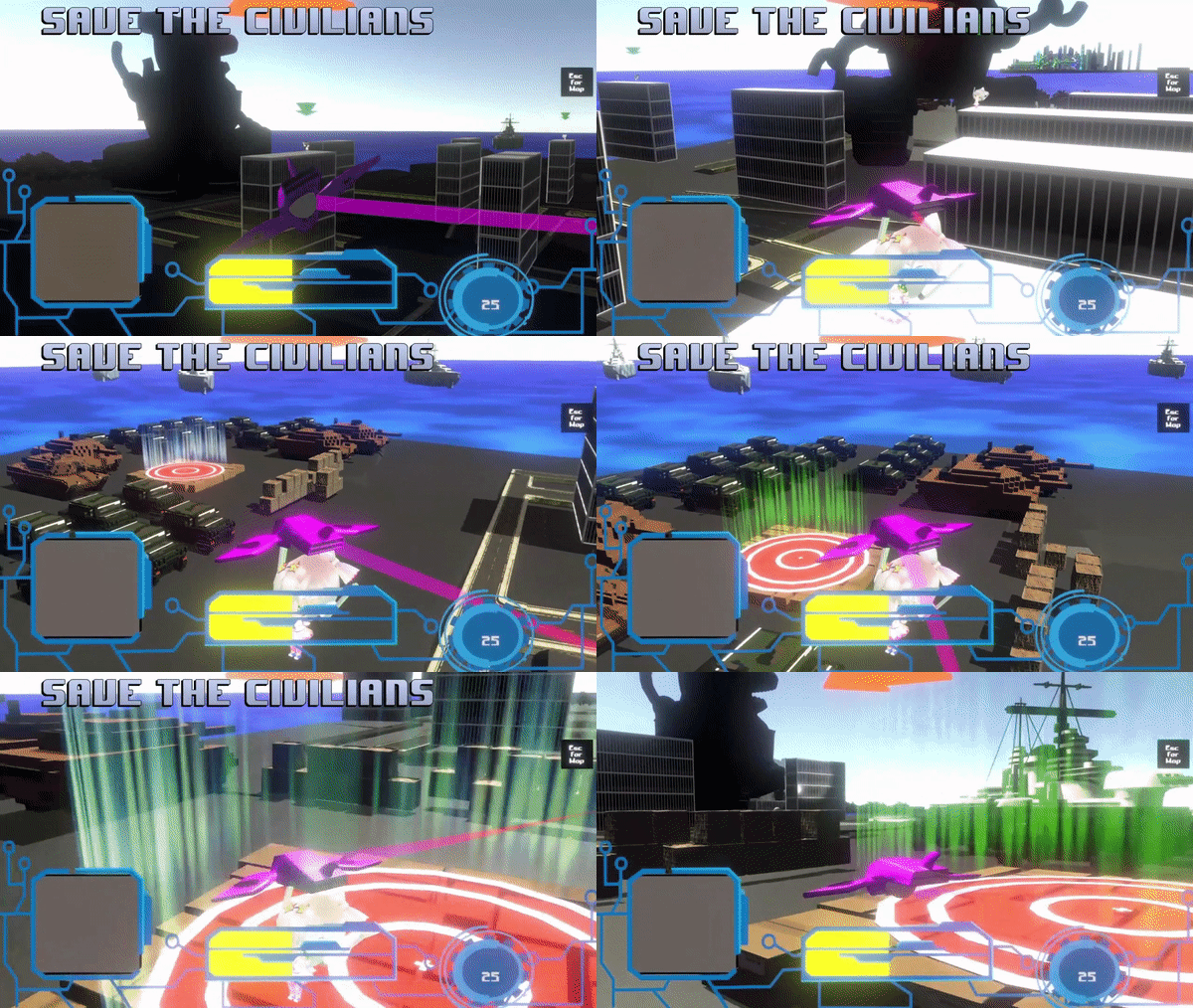
Neon skies game summary
Summary
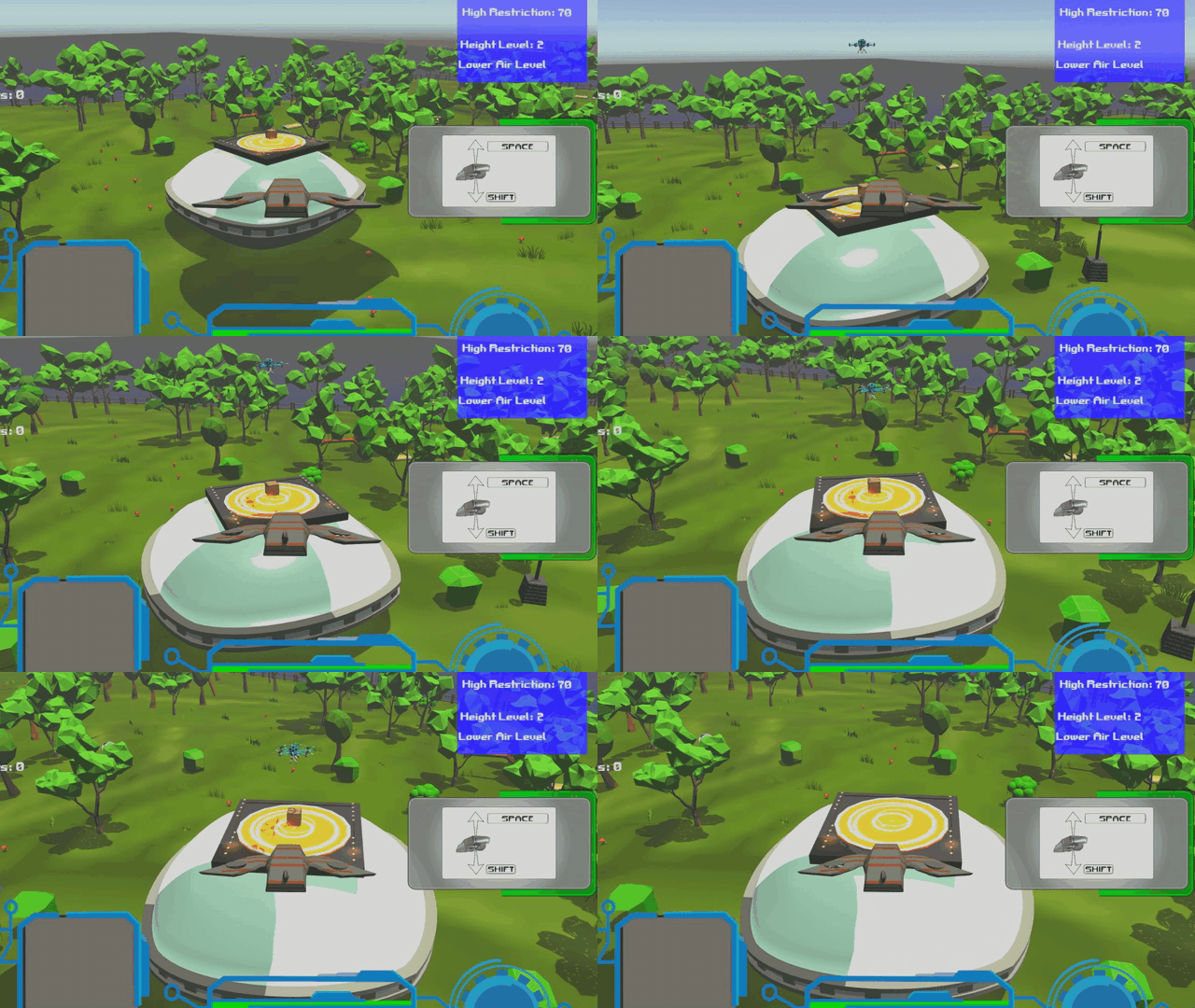
Neon Skies is a drone score attack drone game created by Hat-Rock Studios and in collaboration with Robotics and Autonomous Systems (RAS). Throughout the game players will traverse the world of New New Brisbane, delivering packages, surveying the city and responding to emergencies at high speeds whilst avoiding obstacles.
Goals
Players have many different goals while playing Neon Skies whether that be delivering packages, completing agility challenges or just simply exploring players have the freedom to choose what they would like to do.
Mechanics
Neon Skies has 3 core game modes package delivery, agility test and rescue missions. These game modes are very distinct from each other both to create variety and collect a range of different types of data from the players behaviour. Furthermore players have the freedom to explore the map as they please.
Package delivery
The package delivery game mode gets players to collect a package
from locations throughout the city, upon picking up the package a
timer starts and the player now must reach the packages destination
as quickly as possible while avoiding other drones and buildings.
The player is rewarded with exp and money based on how quickly
they delivered the package and how little collisions they had.
Agility test
The agility test starts when players enter a lit up yellow ring in the sky
once they enter they must reach the next ring before the timer runs out and each additional ring they enter grants them additional time to complete the challenge.
Rescue mission
During the rescue mission players will be transported to an isolated island where a giant kaiju spawns during this event players fly around saving civilians from the monster that is rampaging through the city.
Upgrades and rewards
Players can use the currency they have earned to purchase reward and
upgrades for their drones such as speed, weight capacity and durability.
Data Collection
The primary purpose of Neon Skies from the beginning of development was to collect data for the purpose of improving and informing future AI designs for automated drones. The data we collected aimed to understand what makes a efficient and safe path, what speeds are ideal and at what points do crashes occur and why. This data was exported into a SQL database and provided back to our partner for their use.


Results/Handover
As our project was created in collaboration and directly for the Robotics and Autonomous Systems under the QUT Science and Engineering, when the project concluded we built a set of handover materials including a user manual outlining all controls and how the game functions. A technical document which outlines the code and data base systems for any further development and the data base used. Finally the handover document which was a official handover and thank you for the collaborative work.
As the project was handed over to Aaron we no longer have access to the final project as it officially belong to RAS, they intent to have the game available to play in waiting rooms and around their offices to gain data from the range of people who enter the office. This however means that we are unable to publish Neon Skies anywhere for download.
